


If you've been searching for NMN benefits, here's the short answer. NMN (nicotinamide mononucleotide) is a compound your body makes from a form of vitamin B3 and uses to produce NAD+, a molecule every cell relies on to turn food into energy. NAD+ levels tend to fall as we get older, which is why NMN has become one of the most talked-about ingredients in healthy ageing. Most of the eye-catching results so far come from lab and animal studies, though. Human research is still early, small and short-term.
This guide explains what NMN is, what the research does and doesn't show yet, and what to think about before you try it.
What is NMN?
NMN is a nucleotide: a small molecule built from nicotinamide (a form of vitamin B3), a sugar called ribose and a phosphate group. Your body makes it naturally, and research reviews note that it's found in tiny amounts in some foods, such as broccoli, cabbage and edamame beans. The amounts in food are very small compared with those used in studies.
Once inside your cells, NMN is converted into NAD+ (nicotinamide adenine dinucleotide). That conversion is the whole reason people are interested in it.
Why NAD+ matters
NAD+ is a coenzyme, a helper molecule that takes part in hundreds of chemical reactions in the body. It plays a central role in energy metabolism inside your mitochondria, and it's used by enzymes involved in repairing DNA and in regulating how cells respond to stress, including a family of proteins called sirtuins.
Scientists have found that NAD+ levels decline with age in a number of tissues. A 2023 review of NMN research sets out how this decline has made NAD+ precursors such as NMN a major focus of ageing research.
Vitamin B3 itself is an everyday essential nutrient. The NHS explains that niacin (vitamin B3) helps release energy from the food we eat and helps keep the nervous system and skin healthy, and that most people can get what they need from a varied diet.
What are the potential benefits of NMN?
It's worth being clear from the start: there are currently no authorised health claims for NMN in the UK. That means no NMN product, including ours, can promise a specific health effect. What we can do is summarise where the research stands.
Supporting NAD+ levels
This is the best-studied area. Several small human trials, summarised in the 2023 review, have reported that taking NMN by mouth raised levels of NAD+ and related compounds in the blood. Whether that translates into noticeable everyday changes is a separate and still open question.
Energy and healthy ageing
In animal studies, NMN has been linked with improvements in energy metabolism and physical activity, as described in this 2020 scientific review. Human trials have looked at measures such as walking performance, muscle function and day-time tiredness, but the results have been mixed and the studies have mostly been small and short. Animal findings don't always carry over to people.
What the research can't tell us yet
- Whether taking NMN over many years is beneficial, or how it affects long-term health
- The ideal amount, timing or form to take
- Who, if anyone, is most likely to notice a difference
In other words, NMN is a promising area of science rather than a settled one. Be cautious of any product that promises dramatic or guaranteed results.
Is NMN safe?
Human studies so far, which have generally lasted from a few weeks to a few months, have reported that NMN was well tolerated at the amounts tested, with few side effects noted. Long-term safety data are still limited, and NMN hasn't been studied in pregnancy or breastfeeding. If you take regular medication or have a health condition, it's sensible to check with a pharmacist before adding any new supplement.
How do people take NMN?
NMN is most often sold as capsules or powders, and you'll also see it in sublingual (under-the-tongue) products and wearable patches. Each format suits different routines:
- Capsules and powders are the formats used in most published studies.
- Patches appeal to people who forget tablets or prefer not to swallow them. Research on delivering NMN through the skin specifically is limited, so think of a patch mainly as a convenient way to build a consistent routine.
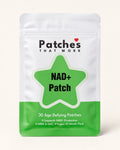
Our NAD+ Patches are designed to deliver NMN alongside resveratrol and NAC (N-acetyl cysteine) as part of a daily wellness routine. If you'd like to know more about NAC, our NAC supplement guide covers it in detail.
Everyday habits that support healthy ageing
Whatever you decide about NMN, the basics still do the heavy lifting. A few that are well supported by evidence:
- Move regularly. The NHS recommends at least 150 minutes of moderate activity a week for adults, plus strengthening activities on at least 2 days.
- Eat a varied diet. The Eatwell Guide shows how to balance fruit and veg, wholegrains and protein, which also covers your B vitamins.
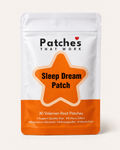
- Protect your sleep. A regular wind-down routine helps. Some people like to add our Sleep Dream Patches, made with valerian root, L-theanine and magnesium, to their evening routine.
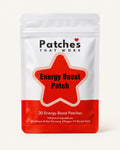
- Keep your energy steady. Regular meals and daylight in the morning help. Our Energy Boost Patches contain B vitamins, which many people pair with a busy daytime routine.
NMN FAQs
What does NMN do in the body?
NMN is a building block your cells use to make NAD+, a coenzyme involved in energy metabolism and cell maintenance. Taking NMN has been shown in small studies to raise blood NAD+ levels, but the wider effects in humans are still being researched.
Is NMN the same as NAD+?
No. NMN is a precursor, meaning your body converts it into NAD+. Other precursors include nicotinamide riboside (NR) and the more familiar forms of vitamin B3.
How long does NMN take to work?
There's no established timeline, and NMN isn't authorised to make any specific health claim. Human studies have typically run for several weeks to a few months. If you try it, give any new routine a fair, consistent trial and pay attention to how you feel overall.
Can I take NMN with other supplements or medication?
Research on combining NMN with other supplements or medicines is limited. If you take any medication or other supplements, ask a pharmacist before adding NMN to your routine.
The bottom line
NMN is a vitamin B3-derived compound your body uses to make NAD+, and its link with ageing biology is one of the more interesting areas of nutrition science. The human evidence is still young, so it's best seen as a possible addition to good sleep, regular movement and a balanced diet rather than a replacement for them.
If you'd like a simple way to include NMN in your day, take a look at our NAD+ Patches, or browse all our wellness patches to find the routine that suits you.
Please note: food supplements shouldn't replace a varied, balanced diet and a healthy lifestyle. If you're pregnant, breastfeeding, taking medication or managing a health condition, speak to your GP or pharmacist before trying NMN or any new supplement.