


A NAC supplement contains N-acetyl cysteine, a form of the amino acid cysteine. Your body uses cysteine to make glutathione, one of its own antioxidant molecules, which is why NAC has become a popular topic in wellness circles. In the UK, NAC is sold as a food supplement in capsules, powders and, more recently, in patch formats. This guide explains what NAC is, what the research does and doesn't show, how it is sold and what to check before you try it.
What is NAC?
N-acetyl cysteine (often shortened to NAC) is a slightly modified version of cysteine, a sulphur-containing amino acid. Cysteine is classed as "conditionally essential": your body can make it from other amino acids, such as methionine, and you also get it from protein-rich foods.
NAC has a long history in medicine as well as in supplements. A 2021 review in the journal Antioxidants describes acetylcysteine as a medicine widely used by healthcare professionals, including in hospital treatment for paracetamol overdose and as a mucus-thinning (mucolytic) medicine. Those are specific, supervised medical uses at medical doses. They are not the same thing as taking a supplement, and a supplement should never be used in place of medical care.
NAC and glutathione: the main reason people are interested
Glutathione is a small molecule made inside your cells from three amino acids: cysteine, glutamate and glycine. Of the three, cysteine is usually the one in shortest supply, so it tends to set the pace for how much glutathione the body can make.
NAC provides cysteine in a more stable form than cysteine itself, and this is the main reason researchers have studied it. The review linked above explains that NAC's effects in the body are thought to come largely from its role as a cysteine source for glutathione production.
What the research does and doesn't show
NAC has been studied in a wide range of areas, from respiratory health to brain and mood research. It's worth being clear about where that evidence stands:
- Many studies are small, short or carried out in people with specific medical conditions under medical supervision.
- Results from laboratory and animal research don't always carry over to people.
- Researchers generally describe NAC as promising in some areas but call for larger, better-designed trials before firm conclusions are drawn.
So while you will see long lists of "NAC benefits" online, a fair summary is that NAC is a well-studied compound with an established medical role, and its use as an everyday wellness supplement is still being researched.
Can you get cysteine from food?
Yes. Most people in the UK get cysteine from everyday protein foods, including:
- chicken, turkey and other meats
- eggs
- yoghurt, milk and cheese
- pulses such as lentils, chickpeas and beans
- sunflower seeds, oats and wholegrains
Foods don't contain NAC itself, but a varied diet with enough protein gives your body the raw materials it uses to make its own cysteine and glutathione. The NHS Eatwell Guide is a good starting point for building balanced meals. Sleep, regular movement and not smoking are also part of the bigger picture for general wellbeing.
How NAC supplements are sold in the UK
NAC is widely available on the high street and online. You'll usually find it in a few formats:
- Capsules and tablets, often in the 500mg to 600mg range per serving.
- Powders, which some people mix into drinks (NAC has a noticeable sulphur smell and taste).
- Combination products, where NAC sits alongside other ingredients.
- Patches, a newer, convenience-led format worn on the skin.
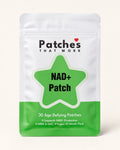
Our own NAD+ Patches are an example of a combination product: they're formulated with NAC alongside NMN and resveratrol, and are designed as a simple once-a-day addition to your routine. You can see the full ingredient list on the product page.
What to look for on the label
- The amount per serving, clearly stated in mg.
- Full ingredient list, including any other active ingredients in combination products.
- Directions and warnings, including who the product isn't suitable for.
- Cautious, realistic wording. Be wary of any supplement that promises to "detox" your body, cure a condition or replace medicine.
Is NAC safe? Side effects and cautions
The same review notes that NAC has a well-established safety profile in medical use. Even so, supplements aren't right for everyone. Reported side effects with oral NAC include nausea, an upset stomach, diarrhoea and an unpleasant taste or smell. If you notice anything unusual, stop using the product and speak to a pharmacist.
NAC may also interact with some medicines, and it isn't recommended for everyone. It's sensible to get advice first if you:
- are pregnant or breastfeeding
- take any prescribed or over-the-counter medicines
- have asthma or another long-term health condition
- have a planned operation coming up
The NHS also has general guidance on vitamins, minerals and supplements, including the reminder that most people can get what they need from a balanced diet.
Where NAC fits in a wellness routine
If you're curious about NAC, it helps to think of it as one small piece of a much bigger picture rather than a quick fix. The basics, such as balanced meals, decent sleep, time outdoors and managing everyday stress, do most of the heavy lifting. A supplement may help support a routine you've already built, but it can't replace one.
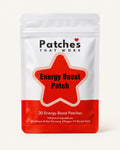
If convenience is what stops you sticking to capsules, a patch format may suit you better. You can browse our full Health range, or pair a daytime patch such as Energy Boost Patches, which contain B vitamins, with an evening wind-down routine. Everything we make is listed in All Patches.
NAC supplement FAQs
What does NAC stand for?
NAC stands for N-acetyl cysteine (also written N-acetylcysteine or acetylcysteine). It's a form of the amino acid cysteine.
Is NAC the same as glutathione?
No. Glutathione is a molecule your body makes from three amino acids, one of which is cysteine. NAC is a source of cysteine, which is why the two are often mentioned together.
When is the best time to take NAC?
Follow the directions on the product you choose. Some people prefer taking oral NAC with food because it can upset the stomach. Patches are usually applied once a day as directed on the pack.
Can I take NAC every day?
Many NAC supplements are designed for daily use at the stated dose. Don't exceed the recommended amount, and check with a GP or pharmacist first if you take medication or have a health condition.
This article is for general information only and isn't medical advice. Food supplements aren't intended to diagnose, treat, cure or prevent any disease. If you're pregnant, breastfeeding, taking medication or managing a health condition, speak to your GP or pharmacist before trying a new supplement.