








Vitamin B complex is the name for the group of eight B vitamins: thiamin (B1), riboflavin (B2), niacin (B3), pantothenic acid (B5), vitamin B6, biotin (B7), folate (B9) and vitamin B12. Each one has its own job, but together they play a central role in how your body releases energy from food and keeps your nervous system working normally. Most people in the UK can get enough from a varied diet, but some groups may want to look more closely at their intake. Here's a plain-English guide to what each B vitamin does, where to find it and what to think about before choosing a B complex supplement.
What is vitamin B complex?
"B complex" isn't a single nutrient. It's a convenient umbrella term for the eight B vitamins, and you'll usually see it on supplements that combine all of them in one product. They're grouped together because they often work side by side in the same processes, especially the chemical reactions that turn the carbohydrates, fats and proteins you eat into usable energy.
B vitamins are water-soluble, which means the body generally doesn't hold large stores of most of them, so a regular supply through your diet matters. Vitamin B12 is the notable exception, as the body can store it in the liver. The NHS guide to B vitamins and folic acid is a good, reliable place to start if you'd like the official detail.
The eight B vitamins and what they do
Under the Great Britain nutrition and health claims register, several B vitamins are recognised as contributing to normal energy-yielding metabolism and to the reduction of tiredness and fatigue. Here's a quick tour of each one, with food sources taken from NHS guidance.
Thiamin (B1)
Thiamin helps the body break down and release energy from food and supports normal nervous system function. You'll find it in peas, bananas, oranges, nuts, wholegrain breads and some fortified breakfast cereals.
Riboflavin (B2)
Riboflavin contributes to energy-yielding metabolism and helps keep skin and eyes healthy. Good sources include milk, eggs, mushrooms, plain yoghurt and fortified cereals. Riboflavin is sensitive to ultraviolet light, so foods are best stored out of direct sunlight.
Niacin (B3)
Niacin also helps release energy from food and supports normal skin and nervous system function. It's found in meat, fish, eggs and wheat flour.
Pantothenic acid (B5)
Pantothenic acid plays a part in energy metabolism and in normal mental performance. It's present in almost all meat and vegetables, so most people get plenty from everyday meals.
Vitamin B6
Vitamin B6 helps the body use and store energy from protein and carbohydrates and contributes to the formation of red blood cells. Sources include poultry, pork, fish, peanuts, soya beans, oats, bananas and milk.
Biotin (B7)
Biotin is needed to help the body make fatty acids and contributes to the maintenance of normal skin and hair. Bacteria that naturally live in the bowel produce some biotin, and it's also found in a wide range of foods.
Folate (B9)
Folate (called folic acid in its synthetic form) helps the body form healthy red blood cells. You'll find it in broccoli, Brussels sprouts, leafy greens such as spinach and kale, chickpeas and kidney beans. The NHS advises anyone who could get pregnant to take a 400 microgram folic acid supplement daily before conceiving and until 12 weeks of pregnancy.
Vitamin B12
Vitamin B12 contributes to the formation of red blood cells, normal nervous system function and normal energy release. It's found naturally in meat, fish, eggs, milk and cheese, plus some fortified foods such as breakfast cereals and plant-based drinks.
Who might consider a vitamin B complex?
If you eat a balanced diet with plenty of variety, you're likely to be getting most of the B vitamins you need already. That said, there are a few situations where people often take a closer look:
- Plant-based eaters. Vitamin B12 occurs naturally almost only in animal foods, so the NHS suggests vegans include B12-fortified foods or a supplement. You can read more on the NHS vegan diet page.
- Anyone planning a pregnancy. Folic acid is the key one here, as above, and it's worth discussing with a GP or pharmacist.
- Busy people with patchy eating habits. If skipped meals and grab-and-go snacks are the norm, a supplement may help support your overall intake alongside efforts to eat better.
It's important to say that feeling tired all the time has many possible causes, from sleep and stress to medical conditions. If you're persistently exhausted or think you might be low in B12 or folate, speak to your GP, who can arrange a simple blood test rather than guessing. The NHS page on vitamin B12 or folate deficiency explains more.
Food first, then supplements
A supplement is designed to top up your diet, not replace it. Some easy ways to cover your B vitamins through food include:
- Choosing a fortified wholegrain breakfast cereal or porridge with milk and banana
- Adding eggs, fish, beans or chickpeas to lunches
- Including a handful of leafy greens, broccoli or peas with your evening meal
- Snacking on peanuts or other nuts instead of sugary options
Is it safe to take a B complex? Upper limits to know
For most people, B vitamins at sensible amounts are well tolerated, but "more" isn't always "better". The NHS highlights a few limits worth knowing:
- Vitamin B6: don't take more than 10mg a day from supplements unless advised by a doctor. Taking high doses over a long period can lead to a loss of feeling in the arms and legs.
- Niacin: high doses of nicotinic acid can cause skin flushing.
- Folic acid: don't take more than 1mg (1,000 micrograms) a day unless advised by a doctor, as high doses can mask the symptoms of B12 deficiency.
Always check the label of any product for the amounts it contains, and add up what you're getting if you take more than one supplement.
Tablets, gummies or patches?
Vitamin B complex is available as tablets, capsules, gummies, liquids and, increasingly, wearable patches. The best format is usually the one you'll actually use consistently. Some people simply find a daily patch easier to remember than another tablet, particularly if they already take several. It's worth knowing that research on how well vitamins are absorbed through the skin is still limited compared with oral supplements, so think of a patch as a convenient way to fit B vitamins into your routine rather than a replacement for a varied diet.
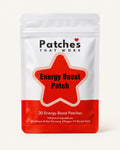
If convenience is what you're after, our Energy Boost Patches are designed to deliver the B vitamin family in an easy, once-a-day format that fits around a busy day. You can check the full ingredient list on the product page, browse our wider health patch range, or see what other customers choose most often in our best sellers.
Frequently asked questions
What does vitamin B complex do?
The B vitamins contribute to normal energy-yielding metabolism, helping your body release energy from food. Several also support normal nervous system function and the formation of red blood cells.
When is the best time to take vitamin B complex?
Many people prefer to take B vitamins in the morning, often with breakfast, simply because they're associated with energy metabolism and it's an easy habit to stick to. Follow the directions on your product's label.
Can I take vitamin B complex every day?
Many B complex products are designed for daily use. Stick to the recommended dose on the label, keep within the NHS upper limits for vitamin B6 and folic acid, and check with a pharmacist if you take other supplements or medicines.
Do I need a B complex if I eat a healthy diet?
Not necessarily. Most people can get the B vitamins they need from a varied diet. Supplements may be useful in specific situations, such as following a vegan diet or planning a pregnancy.
The bottom line
Vitamin B complex brings together eight B vitamins that each play a part in turning food into energy and keeping your body running normally. A varied diet covers most people's needs, but a supplement can be a helpful top-up if your diet or lifestyle makes that harder. Whatever format you choose, stick to the label dose and keep an eye on the upper limits. You can explore all our patches to find the routine that suits you.
Please note: this article is for general information only and isn't a substitute for medical advice. If you're pregnant, breastfeeding, taking any medication or managing a health condition, speak to your GP or pharmacist before trying a new supplement or patch.