








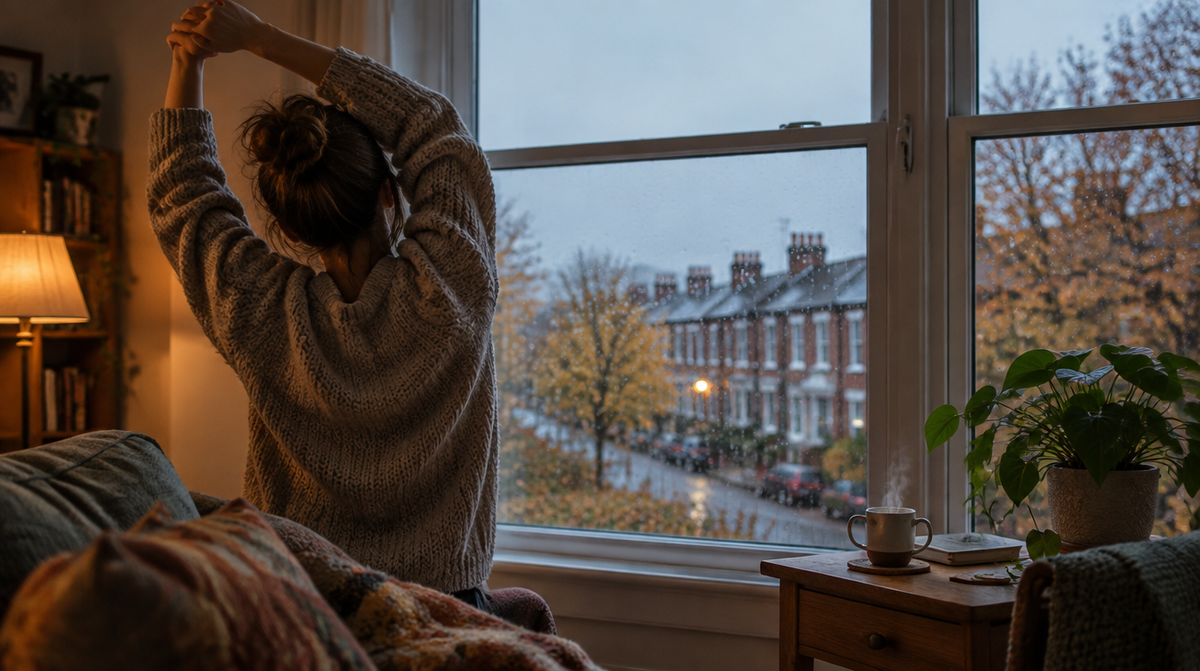
If you feel more tired in winter, you're far from alone. As the days shorten across the UK, many of us find it harder to get out of bed, feel sluggish by mid-afternoon and want to be on the sofa by 8pm. The most likely reasons are simple ones: less daylight, a body clock that's working with fewer cues, less movement and a few changes in how we eat and sleep. The good news is that small, practical changes to your routine may help you feel more like yourself until spring.
Below, we look at why winter can leave you feeling flat, what you can do about it day to day, and when tiredness is worth mentioning to your GP.
Why am I so tired in winter?
There's rarely a single cause. More often it's a handful of small changes that add up between October and March.
Less daylight, and a body clock with fewer cues
Your body runs on an internal clock (your circadian rhythm), and daylight is one of the main signals that keeps it on track. In the darker months, many people wake up before sunrise and finish work after sunset. The NHS notes that reduced daylight in winter may cause changes to brain chemicals like melatonin and serotonin, which affect mood and sleeping patterns. In everyday terms, that can mean feeling sleepy earlier in the evening and groggy in the morning.
The clocks going back
In 2026 the clocks go back on Sunday 25 October. That extra hour sounds like a gift, but the sudden shift means darker evenings arrive almost overnight. For some people it takes a week or two for sleep and energy to settle into the new rhythm.
Moving less
Cold, wet weather makes it tempting to skip the walk, drive instead of cycle and stay in at weekends. Being less active can leave you feeling more sluggish, not less, and it can also make it harder to sleep well at night.
Comfort food and irregular meals
Winter tends to bring heavier meals, more sugary snacks and more late-night eating, especially around the festive season. Big swings in what and when you eat can leave you feeling heavy and low on energy.
Lower vitamin D levels
In the UK, we get most of our vitamin D from sunlight on our skin between late March and the end of September. From October onwards the sun isn't strong enough, which is why the NHS advises that everyone should consider taking a daily supplement containing 10 micrograms of vitamin D during the autumn and winter.
Is it normal to feel more tired in winter?
Feeling a little slower in the darker months is common, and for most people it's a normal response to shorter days and a change in routine. It tends to come and go, ease on brighter days and improve in spring.
Tiredness that's persistent, severe or comes with other changes is different. The NHS suggests seeing a GP if you've felt tired for a few weeks and aren't sure why, if it's affecting your daily life, or if it comes with other symptoms such as weight loss or mood changes. Some people experience seasonal affective disorder (SAD), a type of depression that usually happens in winter. If your mood is consistently low, please speak to your GP rather than trying to manage it alone.
8 simple ways to feel less tired this winter
None of these are dramatic, and that's the point. Small habits you can keep up for five months will do more than a big plan you drop after a week.
1. Get outside in the morning
Even on a grey day, outdoor light is much brighter than indoor lighting. A 10 to 20 minute walk before work or at lunchtime gives your body clock a clear "it's daytime" signal and adds some gentle movement too.
2. Keep your wake-up time steady
Long lie-ins at the weekend can feel like catching up, but they can make Monday mornings harder. The NHS Every Mind Matters guidance recommends going to bed and getting up at similar times each day to help your body know when it's time to sleep.
3. Let light in, then dim it later
Open curtains as soon as you're up and sit near a window where you can. In the evening, do the reverse: lower the lights and put screens away an hour or so before bed so you can wind down.
4. Keep moving, even indoors
When it's too dark or wet for a walk, a short home workout, some stretching or a dance round the kitchen all count. Regular activity tends to support both daytime energy and better sleep.
5. Build meals around steady energy
Aim for regular meals that include protein, fibre-rich carbohydrates (oats, wholegrains, beans, lentils) and plenty of vegetables. B vitamins play a part here: according to the NHS, vitamin B12 helps the body release energy from food and vitamin B6 helps the body use and store energy from protein and carbohydrates. Most people can get what they need from a varied diet.
6. Don't forget vitamin D
Follow the NHS guidance on a daily 10 microgram vitamin D supplement from October to March, unless your GP or pharmacist has advised otherwise.
7. Watch the caffeine creep
An extra coffee at 3pm can feel like the answer on a dark afternoon, but caffeine late in the day can affect your sleep that night, which leaves you more tired the next day. Try a short walk, a glass of water or a herbal tea instead.
8. Protect a proper wind-down
Dark evenings can mean scrolling on the sofa until late. A simple routine helps: a warm drink, a book, a few minutes of stretching or writing down tomorrow's to-do list so your mind can switch off.
Where wellness patches can fit in
Patches aren't a substitute for daylight, movement, good food or sleep, but some people like them as an easy addition to a routine they're already building.
Our Energy Boost Patches are formulated with B vitamins and designed to fit into busy winter mornings: apply one as you get dressed and get on with your day. For the other end of the day, Sleep Dream Patches contain ingredients including valerian root, L-theanine and magnesium glycinate, and are designed to be part of a calm evening wind-down.
If you'd like to see everything in one place, you can browse our health patches or the full patch range. As with any wellness product, experiences vary from person to person, and they work best alongside the everyday habits above.
Frequently asked questions
Why am I so tired in winter even when I sleep more?
More hours in bed doesn't always mean better sleep. Irregular wake-up times, less daylight during the day and less activity can all affect how rested you feel. A steady routine and some morning light are good places to start. If you're still exhausted after a few weeks, speak to your GP.
Do the clocks going back make you more tired?
The change itself is only an hour, but it brings darker evenings straight away. Some people find their energy and sleep take a week or two to adjust. Keeping your usual bedtime and wake-up time can help the transition feel smoother.
Should I take vitamin D in winter?
The NHS advises that everyone should consider taking 10 micrograms of vitamin D a day during autumn and winter. If you're on medication or have a health condition, check with your GP or pharmacist first.
When should I see a GP about feeling tired in winter?
See a GP if you've felt tired for a few weeks without a clear reason, if it's affecting your daily life, or if you have other symptoms such as low mood, weight loss or snoring and gasping at night.
The bottom line
Feeling tired in winter is common, and it usually comes down to less daylight, less movement and a routine that slips as the evenings draw in. Morning light, steady sleep times, regular meals and a proper wind-down can make the darker months feel much more manageable. If you'd like a simple extra step for your mornings, take a look at our Energy Boost Patches.
Please note: our patches are wellness products and are not intended to diagnose, treat, cure or prevent any disease. If you're pregnant, breastfeeding, taking medication or managing a health condition, speak to your GP or pharmacist before using them. This article is for general information and isn't a substitute for medical advice.