








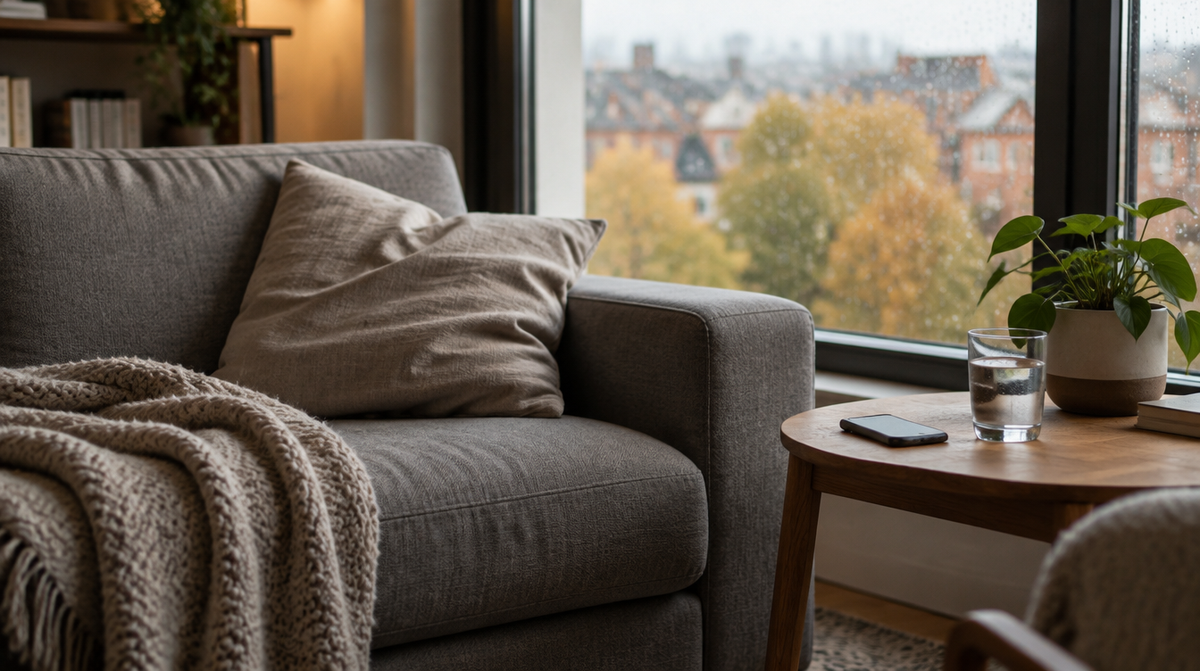
A power nap is a short daytime sleep, usually somewhere between 10 and 20 minutes, taken to help you feel more alert for the rest of the day. Keep it short, take it in the early afternoon and set an alarm, and most people wake up feeling clearer rather than groggy. Go much longer and you are more likely to drift into deep sleep, which is when that heavy, disorientated feeling tends to kick in.
Below, we look at how long a power nap should be, the best time to take one, how to avoid waking up foggy and who might want to skip naps altogether.
What is a power nap?
A power nap is simply a deliberately short nap. The idea is to get a little rest without falling into the deeper stages of sleep. Sleep moves through cycles of lighter and deeper stages, and a full cycle usually takes around 90 minutes. In the first few minutes you are in light sleep, which is relatively easy to wake from. The longer you stay asleep, the more likely you are to slip into deep (slow-wave) sleep.
Waking from deep sleep is what often leaves people feeling worse than before they lay down. Researchers call this sleep inertia: a temporary period of grogginess, slower thinking and low mood straight after waking. A 2019 review of sleep inertia research describes how it is generally stronger when you wake from deep sleep, and how it usually fades with time after waking.
How long should a power nap be?
For most adults, a nap of around 10 to 20 minutes is a sensible target. That is long enough to rest, but short enough that you are less likely to wake from deep sleep.
One often-cited study published in the journal Sleep in 2006 compared afternoon naps of different lengths in a small group of healthy young adults who had slept less than usual the night before. In that study, a 10-minute nap was linked with improvements in alertness and performance that showed up quickly, while 20- and 30-minute naps were followed by a period of grogginess before any benefit appeared. A 5-minute nap made little difference. It was a small study in one specific group, so treat it as a useful guide rather than a rule.
A quick guide to nap lengths
- Under 10 minutes: may feel restful, but may be too short for some people to notice much change.
- 10 to 20 minutes: the classic power nap. You are more likely to wake from light sleep and get on with your day.
- 30 to 60 minutes: a higher chance of reaching deep sleep and waking up groggy.
- Around 90 minutes: roughly one full sleep cycle. Some people find this works on a day off, but it is more likely to affect how easily you fall asleep that night.
Remember that the time you spend lying down is not the same as the time you are asleep. If you usually take five minutes or so to drift off, set your alarm for about 20 to 25 minutes.
When is the best time to take a power nap?
For most people with a typical daytime routine, early afternoon (roughly 1pm to 3pm) tends to work best. Many of us notice a natural dip in alertness after lunch, which can make it easier to drop off quickly.
Try to avoid napping in the late afternoon or evening. A nap close to bedtime can reduce your "sleep pressure", the build-up of tiredness that helps you fall asleep at night. If you work shifts, the same principle applies: aim for a nap well before your main sleep period.
How to take a power nap: 7 practical tips
- Set an alarm first. Decide on your nap length before you lie down so you are not watching the clock.
- Find somewhere comfortable but not too cosy. A sofa or reclined chair is often better than getting into bed, which can tempt you into a longer sleep.
- Make it dark and quiet. An eye mask and earplugs or gentle background noise can help on a busy day.
- Keep the room cool. Have a light blanket nearby in case you get chilly.
- Don't worry if you don't fall asleep. Simply resting with your eyes closed for 15 minutes can still feel like a welcome break.
- Get moving when the alarm goes. Open the curtains, have a glass of water and stand up. Daylight and a little movement can help you shake off any lingering fog.
- Be consistent. If naps suit you, a similar time each day tends to fit more easily into your routine.
Who might want to skip the nap?
Naps are not for everyone. If you struggle to fall asleep or stay asleep at night, daytime napping can make it harder to build up enough tiredness by bedtime. In that case, it is usually better to focus on good night-time habits, such as regular sleep and wake times and a relaxing wind-down routine. The NHS has practical tips on how to get to sleep that are worth a read.
It is also worth paying attention if you feel the need to nap every day despite getting what feels like enough sleep. Ongoing tiredness can have lots of causes, and a GP is the best person to talk to if it is affecting your daily life.
Supporting your energy and sleep routine
A power nap works best as one part of a wider routine: regular sleep, daylight, movement, balanced meals and enough water. If you like the idea of a simple, low-effort addition to your day, our Energy Boost Patches are designed to fit into a daytime routine and contain B vitamins. You can read about the role of B vitamins in the body on the NHS vitamin B page.
For the other end of the day, our Sleep Dream Patches are designed to be part of an evening wind-down, alongside habits like dimming the lights and putting your phone away. And if busy afternoons leave you feeling wound up, the Stress Relief Patches are made to slot into a calmer daily routine. You can browse the full patch range to see what might suit you.
Power nap FAQs
Is a 20-minute power nap better than a 30-minute one?
For most people, yes. A nap of around 20 minutes or less makes it less likely that you will wake from deep sleep, so you are less likely to feel groggy afterwards. A 30-minute nap is more likely to be followed by a spell of sleep inertia.
Why do I feel worse after a nap?
That heavy, foggy feeling is usually sleep inertia, which is more likely if you wake from deep sleep. Keeping naps short, napping earlier in the day and getting some daylight and movement straight afterwards may help.
Can a power nap replace a good night's sleep?
No. A short nap may help you feel more alert for a while, but it does not make up for regularly getting too little sleep at night. The NHS notes that most adults need between 7 and 9 hours of sleep a night.
What if I can't fall asleep during a power nap?
That's fine. Lying quietly with your eyes closed can still feel restful. If you regularly can't nap, your body may simply not need one, and that is perfectly normal.
The bottom line
The best power nap for most people is short (about 10 to 20 minutes), taken in the early afternoon and finished with an alarm, daylight and a little movement. If naps leave you groggy or keep you awake at night, try shortening them, moving them earlier or skipping them in favour of a steady night-time routine.
Please note: this article is for general information only and isn't medical advice. If you are pregnant, breastfeeding, taking any medication or managing a health condition, speak to your GP or pharmacist before trying a new wellness product, and see your GP if you feel tired all the time.