

Berberine is a yellow plant compound that is now widely sold in the UK as a food supplement, usually as capsules or tablets, and more recently in patch form. It has become popular on social media, which means there is a lot of hype around it. This guide covers what berberine actually is, where it comes from, how it is sold in the UK, and the safety points worth knowing before you add it to your routine.
What is berberine?
Berberine is a natural compound known as an alkaloid. It gives certain roots and barks their bright yellow colour and a distinctly bitter taste. It is found in several plants, including:
- Barberry (the Berberis family), including Indian barberry, also called tree turmeric
- Goldenseal, a North American woodland plant
- Oregon grape and Chinese goldthread
These plants have a long history of use in traditional practices, including Ayurveda and traditional Chinese medicine. Today, most berberine supplements use an extract standardised to a set amount of berberine, often labelled as berberine HCl (hydrochloride).
Why is berberine so popular in the UK right now?
Interest in berberine has grown quickly over the past couple of years, largely thanks to social media, where it is sometimes given dramatic nicknames. It is worth being cautious about that kind of language. Berberine is a plant compound sold as a food supplement, not a medicine, and it is not a substitute for any prescribed treatment.
Researchers have studied berberine in a range of areas. The US National Center for Complementary and Integrative Health (NCCIH) notes that berberine has been studied for a number of health-related outcomes, but also that very little berberine may be absorbed when plants containing it are taken by mouth, so study results do not automatically apply to every product. In short: it is an active area of research, and results from a specific study only tell you about the form and amount used in that study.
How berberine is sold in the UK
In the UK, berberine is generally sold as a food supplement rather than a licensed medicine. You will typically see it in three formats:
Capsules and tablets
The most common format. Products vary widely in strength, so check the label for the amount of berberine per serving (not just the amount of plant extract) and the recommended daily intake.
Powders
Less common, mainly because berberine tastes very bitter. Powders also make it harder to measure a consistent amount.
Patches
Wellness patches are applied to clean, dry skin and worn for a set period. They suit people who prefer not to swallow another capsule, or who like a simple once-a-day habit. It is worth being clear that there is much less published research on berberine delivered through patches than taken by mouth, so findings from oral studies should not be assumed to apply to patches.
What to look for when choosing a berberine product
Whichever format you prefer, a few checks help you choose sensibly:
- Clear labelling. The label should state the amount of berberine, the source plant, the full ingredient list and how to use it.
- A UK-based seller. Buying from a UK business means products are sold under UK food and labelling rules, and you have a clear point of contact if you have questions.
- Sensible wording. Be wary of products promising rapid or guaranteed results, or comparing themselves with prescription medicines.
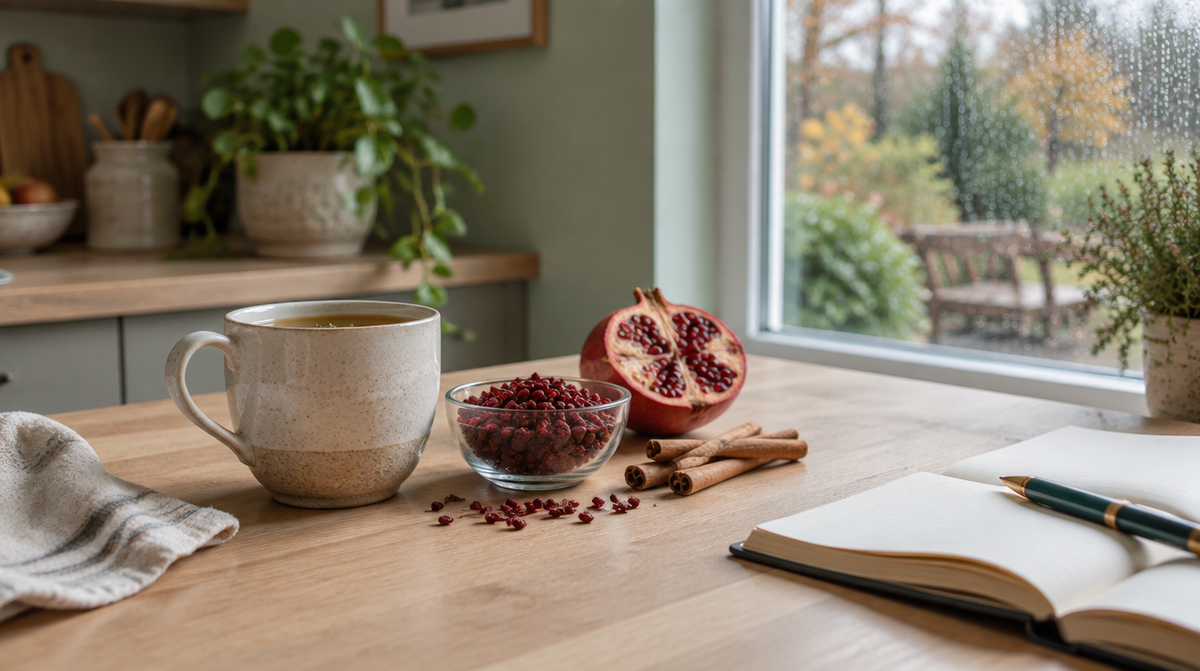
- Other ingredients. Many products combine berberine with other botanicals, such as cinnamon or pomegranate extracts. Check you are comfortable with everything in the blend.
- Safety information. A responsible product will include warnings for pregnancy, breastfeeding and people taking medication.
Is berberine safe? Key points to know
Like many plant compounds, berberine is not suitable for everyone. Some important points:
- Pregnancy, breastfeeding and babies. The NCCIH states that the berberine in goldenseal can be harmful to newborns, and that goldenseal should not be used by people who are pregnant or breastfeeding, or given to infants.
- Medicines. The NHS advises that some medicines do not mix well with herbal products, including statins, antidepressants, medicines for diabetes, medicines for high blood pressure and blood-thinning medicines. If you take any medicine, check with a pharmacist first.
- Children. The NHS does not recommend herbal medicines for children because not enough is known about their safety.
- Tell your healthcare team. If you use a herbal supplement, mention it to any doctor or healthcare professional treating you.
"Natural" does not automatically mean "suitable for you", so it is always worth checking first if any of the above applies.
How berberine can fit into an everyday routine
If you decide berberine is right for you, the most useful approach is a consistent, realistic routine rather than a quick fix. A supplement of any kind works best as one small part of a wider picture that includes regular meals, plenty of fibre-rich foods, water, movement you enjoy and good sleep. The NHS has helpful guidance on eating a balanced diet if you would like a starting point.
A few practical tips:
- Pick a set time of day and stick with it, for example with breakfast or as part of your morning routine.
- Follow the directions on the pack and do not exceed the recommended amount.
- Keep a simple note of how you feel day to day, so you can make an informed decision about whether it suits you.
Our berberine patch
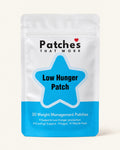
If you like the idea of a patch rather than another capsule, our Low Hunger Patches combine berberine with pomegranate and cinnamon extracts in a vegan, once-a-day patch, with 30 patches per pack. They are designed to slot into a busy day with minimal fuss. You can also browse our wider Health patch collection, see our best sellers, or explore all our patches to find the right fit for your routine.
Berberine FAQs
Can you buy berberine in the UK?
Yes. Berberine is widely available in the UK as a food supplement from health shops, pharmacies and online retailers, mostly as capsules or tablets, and also in patch form.
Where does berberine come from?
Berberine is extracted from plants such as barberry (including Indian barberry, or tree turmeric), goldenseal, Oregon grape and Chinese goldthread. It is the compound responsible for their yellow colour.
Is berberine a medicine?
Berberine products sold in UK shops are generally food supplements, not licensed medicines. They are not intended to treat, cure or prevent any condition and should never replace medicine prescribed by your doctor.
Who should avoid berberine?
People who are pregnant or breastfeeding should avoid it, and it should not be given to babies or children. If you take any medication or are managing a health condition, speak to your GP or pharmacist before trying it.
Please note: this article is for general information only and is not medical advice. If you are pregnant, breastfeeding, taking any medication or managing a health condition, speak to your GP or pharmacist before using any new supplement or wellness patch.